Trade website must-have pages: UK guide
19 May 2026 · 3 min read
Trade website must-have pages: UK guide

Your website is often the first thing a potential customer sees before they pick up the phone or send an enquiry. Yet many UK trade and service businesses publish sites that are missing the trade website must-have pages that actually convert visitors into paying customers. Getting the page structure right is not about having the most pages. It is about having the right ones, in the right order, built with the right content. This guide gives you a practical trade website page checklist so you know exactly what to build and why.
Table of Contents
Key takeaways
| Point | Details |
|---|---|
| Core pages drive conversions | Homepage, About, Services, Contact, and Testimonials are the foundation every trade site needs. |
| Trust signals win enquiries | Real customer testimonials with names and photos directly increase conversion rates. |
| Navigation depth matters | Keeping key pages within three clicks of the homepage reduces frustration and improves SEO. |
| Supplementary pages add authority | FAQs, case studies, and a blog build credibility and support organic search rankings. |
| Mobile speed is non-negotiable | Slow, unresponsive pages cause visitors to leave and hurt your position in search results. |
Trade website must-have pages: how to choose the right ones
Before you start building or rebuilding, you need a framework for deciding which pages earn a place on your site. Not every page serves the same purpose, and adding pages without a clear reason wastes your time and dilutes your site’s focus.
The key criteria to apply when evaluating any page are:
-
Customer trust: Does this page help a visitor feel confident enough to contact you?
-
Information clarity: Does it answer the questions your customers actually ask before hiring a trade business?
-
Navigation ease: Can a visitor find it quickly without hunting through menus?
-
SEO impact: Does it give search engines something meaningful to index and rank?
-
Conversion potential: Does it move a visitor closer to making an enquiry or booking?
Trade businesses also have specific needs that differ from general retail sites. Your customers are often local, they want proof of quality work, and they are comparing you against several competitors at once. Pages that address local relevance, showcase real results, and make contact effortless will always outperform generic corporate-style content.
Clear messaging paired with professional design is what separates trade websites that generate enquiries from those that simply exist online. Use these criteria to assess every page you plan to create.
Pro Tip: Before designing a single page, write down the three questions your customers ask most often before hiring you. Every must-have page on your site should answer at least one of them.
1. Homepage
Your homepage is your shop front. It has one job: tell visitors immediately who you are, what you do, and where you operate. If someone lands on your homepage and cannot work that out within five seconds, they will leave.
A strong homepage for a trade business includes a clear headline stating your service and location, a short paragraph of supporting copy, and a prominent call to action such as “Get a free quote” or “Call us today.” Add a few trust signals below the fold, such as accreditations, years in business, or a headline testimonial.
Avoid the temptation to cram every service onto the homepage. Link out to dedicated service pages instead. The homepage sets the direction. The other pages carry the detail.
2. About us page
The About Us page is often the second most visited page on a business website. Most trade businesses treat it as an afterthought, writing a few lines about when they were founded and calling it done. That is a missed opportunity.
Your About page is where customers decide whether they like and trust you enough to get in touch. Write about your values, your team, and why you do what you do. Include photos of real people. If you are a family-run business or have been trading locally for 20 years, say so. That context builds the kind of trust that a list of services cannot.
Think of your About page as your pitch to a customer who is already interested but not yet convinced. Make it personal, specific, and honest.
3. Services page
A dedicated services page, or a set of individual service pages, is one of the most important pages for SEO and for conversions. Customers searching for a specific trade service in your area need to land on a page that matches exactly what they typed into Google.
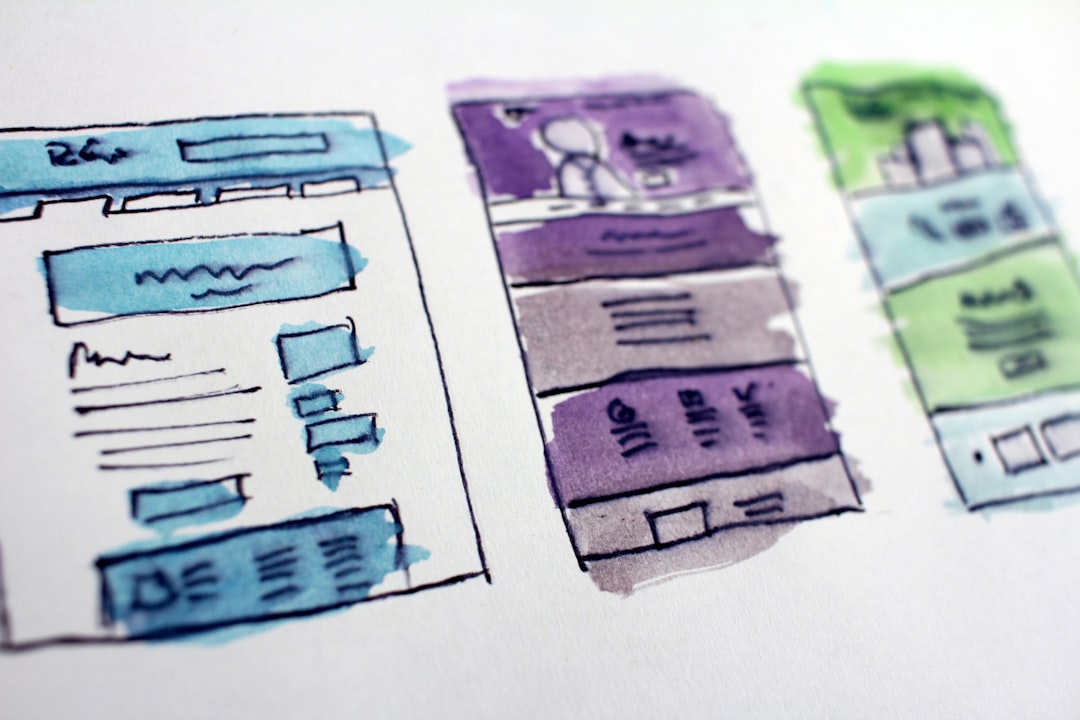
Each service page should include a clear description of what the service involves, who it is for, and what the process looks like. Where possible, give pricing guidance. You do not need to publish fixed prices, but phrases like “most jobs start from £X” reduce the number of tyre-kickers and help customers self-qualify.
Individual service pages also give you far more SEO coverage than a single combined page. A plumber with separate pages for boiler installation, emergency call-outs, and bathroom fitting will rank for more searches than one with a single “Services” page listing all three.
4. Contact page
This is the one page where friction costs you money directly. If a customer cannot find your contact details quickly, they will call your competitor instead.
Your contact page should include your phone number, an email address or contact form, your trading area or address, and your opening hours. For trade businesses, a simple enquiry form asking for name, contact number, job type, and preferred callback time works well. Keep the form short. Every extra field reduces the number of people who complete it.
Pro Tip: Display your phone number in the header of every page on your site, not just the contact page. Many trade customers want to call, not fill in a form.
5. Testimonials and social proof page
Testimonials with names and photos increase customer confidence and conversion rates more than almost any other on-page element. A dedicated testimonials page, or a reviews section embedded throughout the site, gives visitors the reassurance they need to take the next step.
Collect reviews consistently. Ask customers after each completed job to leave a Google review or provide a written testimonial you can use on your site. Include the customer’s first name, location, and the type of work carried out. That specificity makes reviews credible rather than generic.
You can also embed your Google Business Profile reviews directly onto your site to keep the content fresh without manual updates.
6. FAQ page
A well-built FAQ page does two things at once. It reduces the number of repetitive enquiries your team has to handle, and it gives search engines a set of question-based queries to rank you for.
Think about the questions customers ask before hiring you. Common ones for trade businesses include “Are you insured?”, “Do you offer free quotes?”, “How long will the job take?”, and “What areas do you cover?” Answer each one clearly and concisely. Avoid vague answers that leave customers needing to call just to get a straight response.
FAQ pages also support voice search and featured snippet rankings, which are growing in importance for local trade searches.
7. Case studies and portfolio
For trade businesses, showing your work is often more persuasive than describing it. A portfolio or case studies section gives potential customers visual proof of your capability and quality.
A good case study does not need to be long. A before-and-after photo set with a short paragraph describing the job, the challenge, and the outcome is enough. Include the location and the type of property where relevant. This also supports local SEO by associating your business with specific towns or areas.
If you carry out a wide range of work, organise your portfolio by service type so visitors can quickly find examples relevant to their own job.
8. Blog or news section
A blog drives top-of-funnel traffic and builds backlinks that support your overall SEO performance. For trade businesses, it is also a way to position yourself as a knowledgeable, trustworthy expert rather than just another contractor.
You do not need to publish weekly. Even four to six posts per year, covering topics your customers actually search for, will make a difference over time. Topics like “How to know when your boiler needs replacing” or “What to expect during a loft conversion” attract people early in their decision-making process and keep your site active in the eyes of search engines.
Bear in mind that SEO improvements typically take 3 to 12 months to show results, so starting a blog early is a long-term investment worth making.
9. Policies and terms pages
Clear return, refund, and terms policies reduce customer service queries and build buyer confidence. For trade businesses, this typically means a clear terms and conditions page covering your quote process, payment terms, cancellation policy, and any guarantees you offer.
A privacy policy is also a legal requirement if you collect any customer data through forms or cookies. Do not skip this. It protects you legally and signals to customers that you handle their information responsibly.
These pages rarely win you new business on their own, but their absence can lose it. Customers who cannot find your terms before committing to a job may hesitate or look elsewhere.
10. Careers page
If your trade business is growing and you regularly recruit, a careers page is worth adding to your site. It reduces recruitment costs by attracting direct applicants and signals to customers that you are an established, growing operation.
Keep it simple. List current vacancies, describe what it is like to work for you, and include a clear application process. Even if you have no live vacancies, a standing page saying you are always interested in hearing from skilled tradespeople keeps the door open.
Website usability and SEO for your must-have pages
Getting the pages right is only half the job. How they are structured, connected, and optimised determines whether they actually perform.
Here are the key technical and SEO considerations to apply across your trade website page checklist:
-
Three-click rule. Reaching any key page within three clicks from the homepage reduces visitor frustration and improves conversion. If your services or contact page is buried in a sub-menu, fix it.
-
Internal linking. Well-structured internal links distribute authority across your site and guide visitors through a logical journey from discovery to enquiry.
-
Mobile responsiveness. Slow loading and poor mobile design cause high visitor abandonment and lower search rankings. Test every page on a mobile device before publishing.
-
Meta descriptions and page titles. Each page should have a unique title tag and meta description that includes the relevant service and location. This directly affects click-through rates from search results.
-
Avoid duplicate content. If you serve multiple locations, create individual location pages with unique content rather than copying the same page with a different town name swapped in.
Pro Tip: Use Google Search Console to identify which of your pages are being crawled and indexed. If a key page is not appearing in search results, it is often a technical issue rather than a content one.
Quick-reference page comparison
| Page | Primary role | Customer benefit | SEO value |
|---|---|---|---|
| Homepage | First impression and navigation hub | Instant clarity on services and location | High: main landing page for brand searches |
| About us | Trust and credibility building | Humanises the business and team | Medium: supports brand authority |
| Services | Detailed service information | Helps customers self-qualify | Very high: targets specific search queries |
| Contact | Enquiry conversion | Easy, friction-free contact options | Medium: supports local SEO signals |
| Testimonials | Social proof | Reassurance from real customers | Medium: fresh content and trust signals |
| FAQ | Pre-sale question handling | Reduces uncertainty before enquiring | High: targets question-based searches |
| Case studies | Proof of capability | Visual evidence of quality work | Medium: supports local and service SEO |
| Blog | Education and authority | Useful information at research stage | High: drives organic traffic over time |
| Policies | Legal clarity and trust | Transparency on terms and data | Low: required but rarely a traffic driver |
| Careers | Recruitment | Attracts direct applicants | Low to medium: supports brand presence |
My honest take on trade website pages
I have reviewed hundreds of trade websites over the years, and the pattern is almost always the same. The homepage looks reasonable, the services page exists but is thin, and everything else has been left as an afterthought. The About page is three sentences written in 2019. The FAQ page was never created. There is no portfolio to speak of.
What surprises most trade business owners when they finally invest properly in their site is how much the About page and case studies move the needle. Customers are not just buying a service. They are deciding whether to let a stranger into their home or hand over a significant sum of money. The pages that humanise your business and show real results are the ones that tip the balance.
I also think the blog is consistently underestimated. Not because it generates overnight results, but because it compounds. A post written today about a common customer question can generate enquiries for years. The trade businesses I have seen grow their organic traffic most consistently are the ones that treat their blog as a long-term asset, not a box to tick.
The most common mistake I see is treating the website as something to build once and forget. The businesses that get the best results treat their site as a live tool, updating case studies, adding new testimonials, and publishing content regularly. That ongoing activity is what keeps you visible and credible.
— Ben
How Gtwelve helps UK trade businesses build the right pages

Getting the structure right from the start saves you months of rework and missed enquiries. At Gtwelve, we build conversion-focused websites specifically for UK trade and service businesses. Every site we create includes the essential trade website pages covered in this guide, structured for both user experience and search visibility.
We handle everything from page planning and copywriting to technical SEO and enquiry workflow setup. Whether you are starting from scratch or improving an existing site, we make sure your pages are working as hard as you do. If you want a website that generates consistent, quality enquiries rather than just existing online, get in touch with Gtwelve to discuss what your site needs.
FAQ
What pages should every trade website have?
Every trade website needs a homepage, About page, services page, contact page, and a testimonials or reviews section. These five pages cover the core customer journey from discovery to enquiry.
How many pages does a trade website need?
There is no fixed number, but most trade businesses benefit from 8 to 12 pages covering core services, trust-building content, and supporting pages like FAQs and a blog. Quality and relevance matter more than quantity.
Does a trade website need a blog?
A blog is not strictly required, but it is one of the most effective ways to grow organic traffic over time. Regular content improves authority and helps you rank for the questions your customers are already searching for.
How do testimonials affect a trade website?
Testimonials with names and photos increase customer confidence and conversion rates significantly. They provide the social proof that moves an interested visitor into an active enquiry.
Why is mobile responsiveness important for trade websites?
Most local trade searches happen on mobile devices. Poor mobile design causes high abandonment and lower search rankings, meaning you lose potential customers before they even read your content.
Recommended
If this sounds like your website, we can take a look.
Note 72 of 72